Growing Food
Fresh, culturally familiar produce for neighborhood families.
Pittsburgh, Pennsylvania
Rooted in Pittsburgh’s Lincoln-Lemington-Chadwick-Belmar neighborhoods, we grow fresh, nourishing produce and stronger communities through shared work, knowledge, and compassion.
Fresh, culturally familiar produce for neighborhood families.
Neighbors of all ages working, learning, and sharing together.
Water harvesting, drip irrigation, and long-term soil care.
Produce distributed to families, elders, and local partners.
Our Mission
Helpful Hands Harvest is creating a neighborhood-based food system that increases access to fresh produce, teaches practical growing skills, and strengthens resilience through sustainable urban agriculture.
Our gardens bring together lifelong residents, youth, elders, volunteers, and dedicated growers. Every bed is a place where hands meet soil, stories are shared, and local knowledge is passed forward.
Our Garden Site
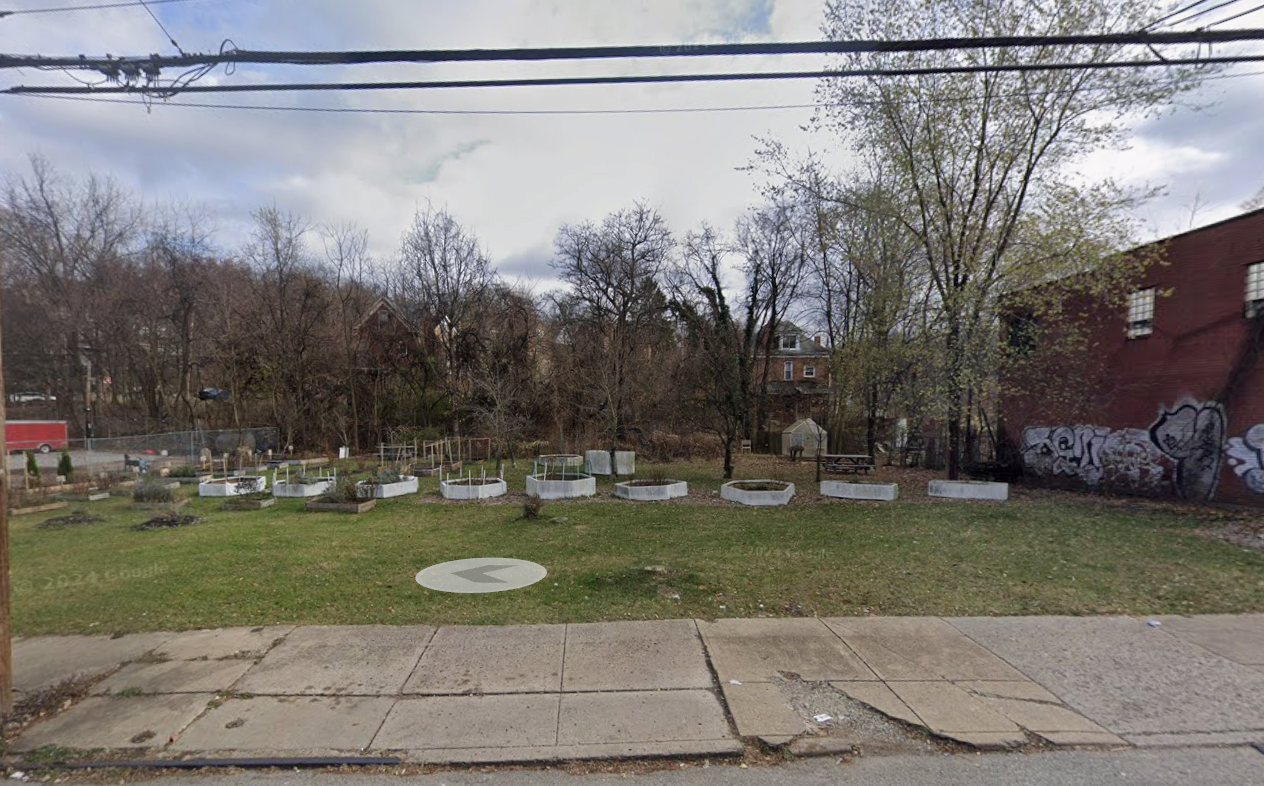
The project is located on an active urban agriculture site at 1406 Lincoln Avenue in Pittsburgh’s Lincoln-Lemington-Chadwick-Belmar community.
Project Location
2026 Project Vision
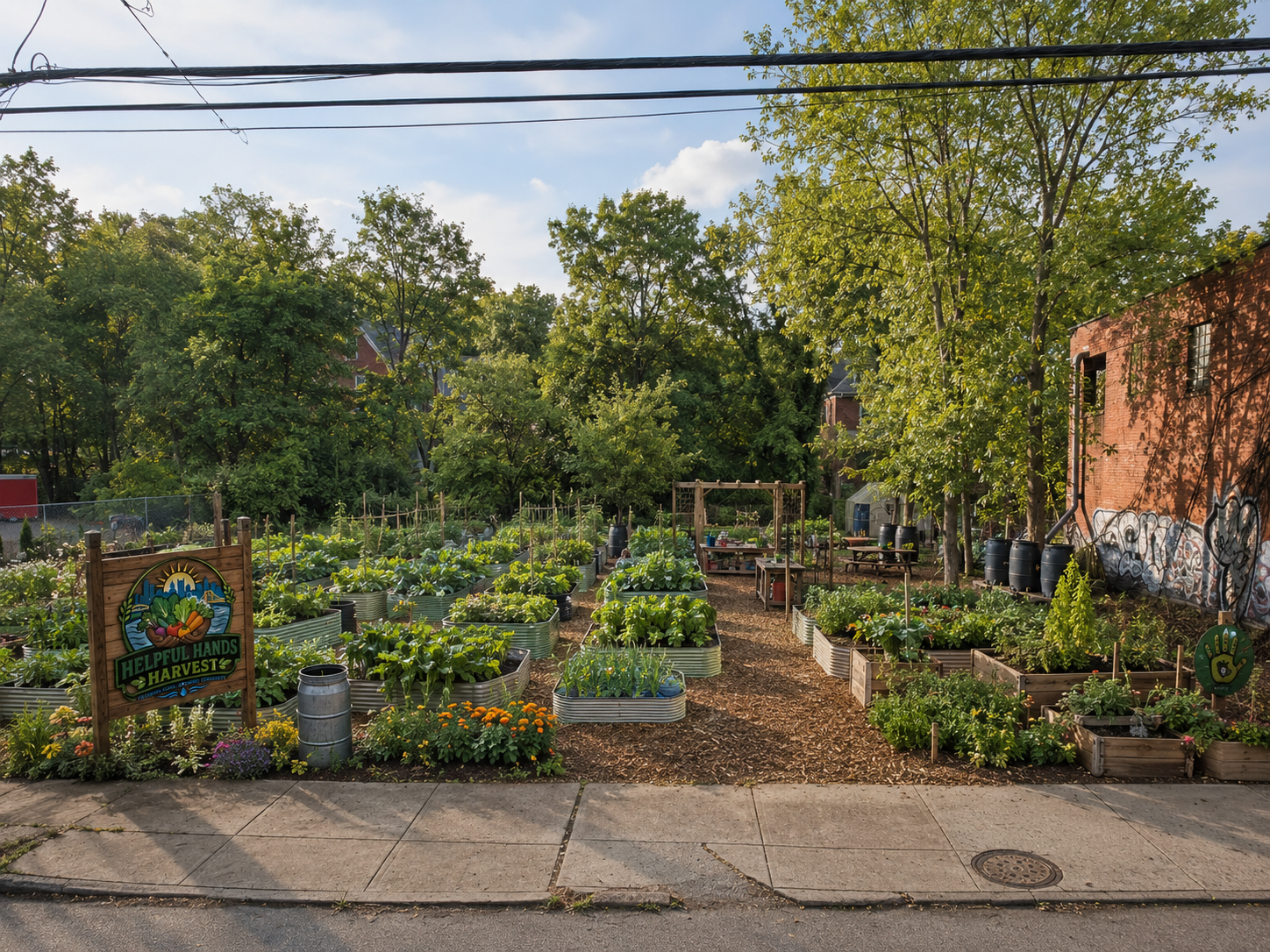
The proposed work is designed to improve productivity without changing the site’s existing agricultural use or requiring permanent foundations, excavation, or removal of standing trees.
Additional modular beds for leafy greens, tomatoes, peppers, herbs, and root vegetables.
Surface-mounted drip irrigation that directs water to crops and reduces waste.
Rain barrels and water-storage systems that reduce dependence on municipal water.
Compost, natural enrichment, erosion control, and soil-protection practices.
Workshops, youth participation, volunteer workdays, and intergenerational learning.
More produce shared with families, elders, food pantries, and neighborhood partners.
What Success Looks Like
Expanded growing capacity and more consistent irrigation are expected to increase annual production.
Track pounds harvested and distributed to families, pantries, and neighborhood markets.
Track gallons of rainwater captured and improvements in watering efficiency.
Track volunteers, youth, residents, workshops, and hands-on learning hours.
July–November 2026
A full growing season focused on infrastructure, planting, education, harvest, and evaluation.
Finalize site plans, procure materials, confirm partners, and assess infrastructure needs.
Expand raised beds, prepare soil, install irrigation, and add water-harvesting systems.
Begin planting, host workshops, train volunteers, and start early harvest tracking.
Maintain crops, host workdays, harvest produce, and distribute through local partners.
Complete fall harvest, gather project data, save seed, and prepare the final report.
Get Involved
Community members, volunteers, churches, youth organizations, food pantries, and neighborhood partners are invited to grow with us.